

Feature story
For people who have experienced homelessness, a place to call home can mean a safe place to sleep, a community to lean on and the stability to plan for the future. Through the experiences of residents, volunteers and staff at Ottawa’s Richcraft Hope Centre, discover how supportive housing helps people rebuild their lives, find connection and look ahead with hope.
What does having a home mean for Jen Hamilton?
“Peace. A lot of peace.”
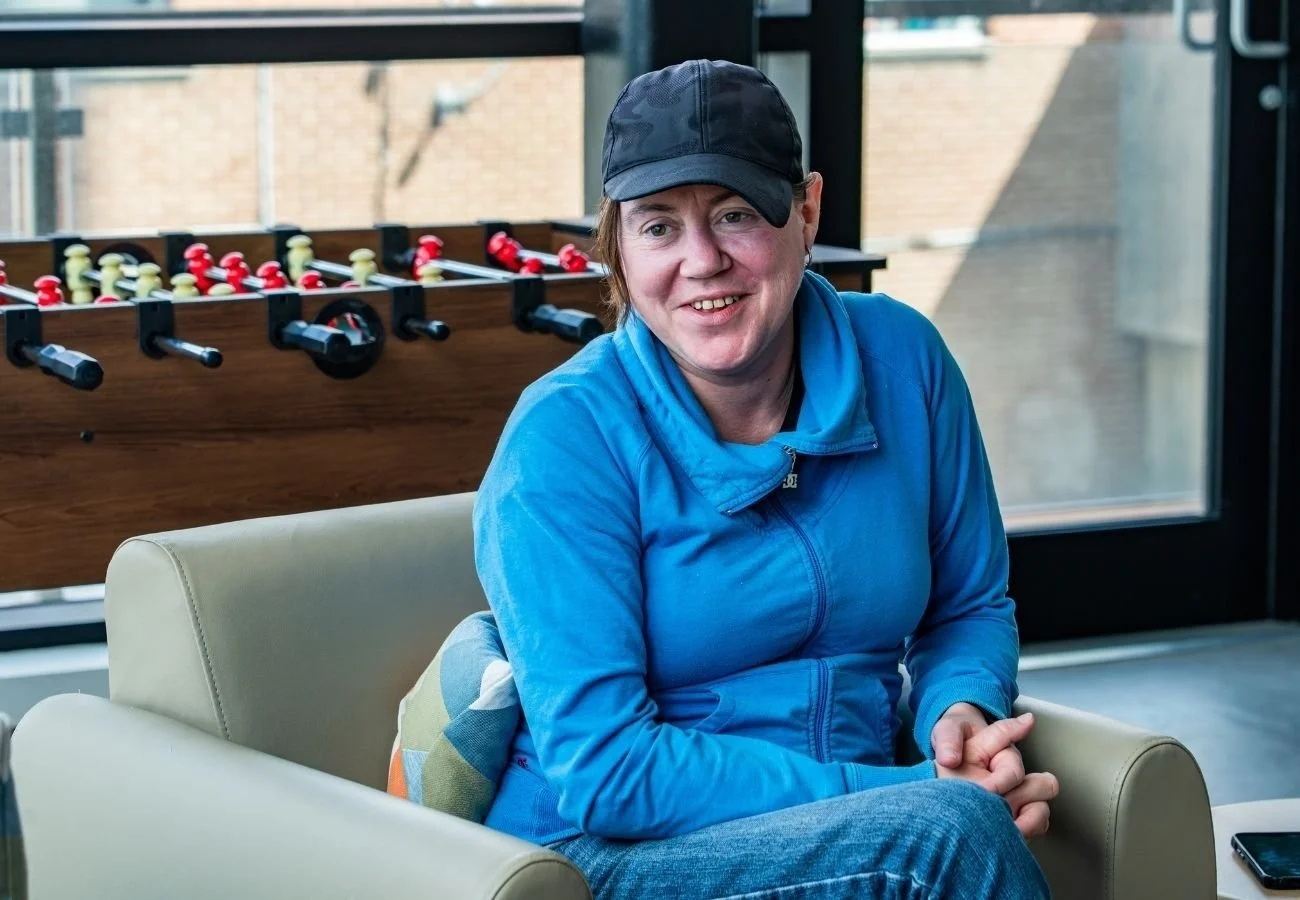
For Jen, who has lived in supportive housing at Shepherds of Good Hope’s Richcraft Hope Centre since 2025, it’s the small comforts that stand out: a thermostat she controls, somewhere safe to sleep and care for her plants, and a place where her belongings can stay.
“Just being able to put things away and know that they’re not going to move somewhere. It’s very basic things at first.”
After a serious car accident left her with mobility challenges, and after experiencing domestic violence, Jen spent time in Ottawa’s shelter system before finding a home at the Richcraft Hope Centre.
Her new place already had paintings, a lamp, a dining table and chairs.
“If you live out of a locker, it’s a big improvement,” she says. “You’re like, ‘Oh my God, this is amazing.’”
Now, she can rest, set her own schedule and concentrate on her coding projects. She also has neighbours she counts as friends.
“If you need sugar, you just knock at the door,” Jen says. “Pretty old school.”
Located near the ByWard Market in downtown Ottawa, the Richcraft Hope Centre is owned and operated by Shepherds of Good Hope. Its 48 studio units provide permanent housing, with staff support available around the clock.
Supportive housing combines a long-term place to live with services that help residents maintain their housing and meet their individual needs, including support with mental health, substance use and life skills. At Richcraft, residents also have access to employment support and social activities such as Monday night bingo.
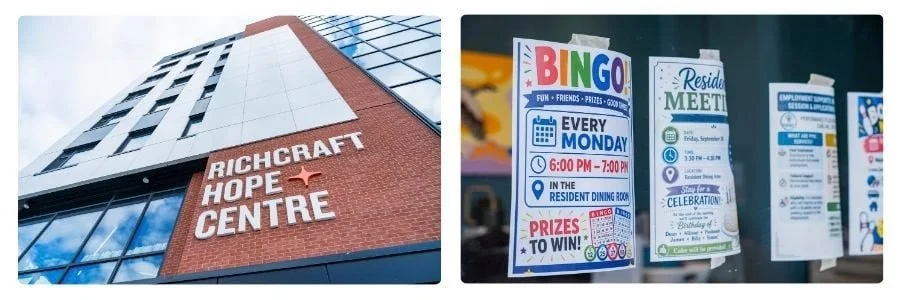
Expanding supportive housing is a priority in Ottawa’s 10-Year Housing and Homelessness Plan. The City works with community partners to create more permanent homes with supports that respond to people’s different needs and reduce reliance on emergency shelters.
The City helped fund the construction of the Richcraft Hope Centre, alongside the federal and provincial governments.
For Andre (Samson) Rivet, having his own place means living alone for the first time in more than 50 years, with a community of support close by.
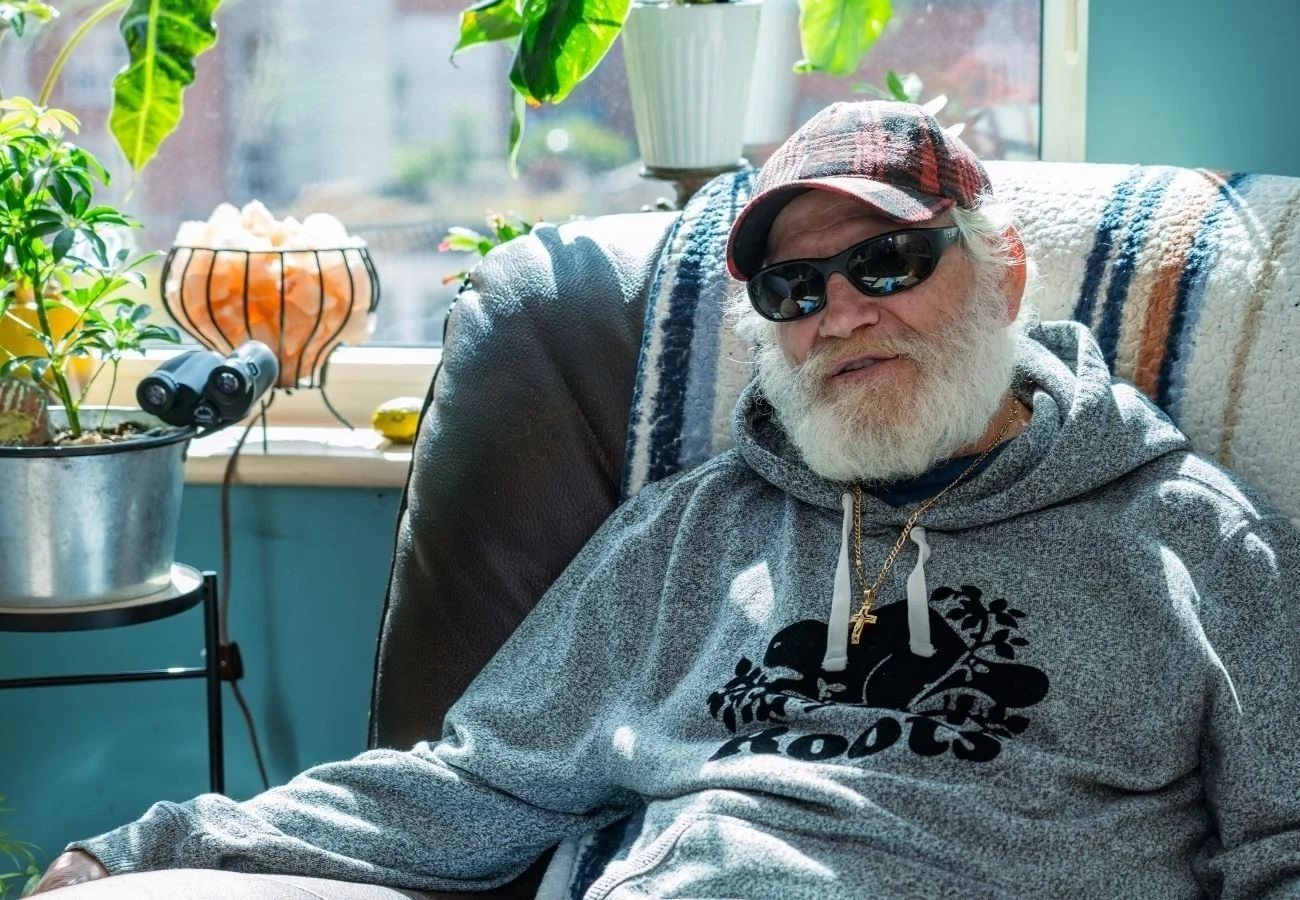
In his unit, a growing collection of mugs lines the shelves and cupboards. One has particular meaning: the first mug he got after moving in. Across it are the words “Warm & Cozy.”
It’s a small symbol of the comfort and stability he has found after trauma and a fire that left him without a home. Andre says living in supportive housing has helped him overcome addiction and distance himself from people and places that were a negative influence.
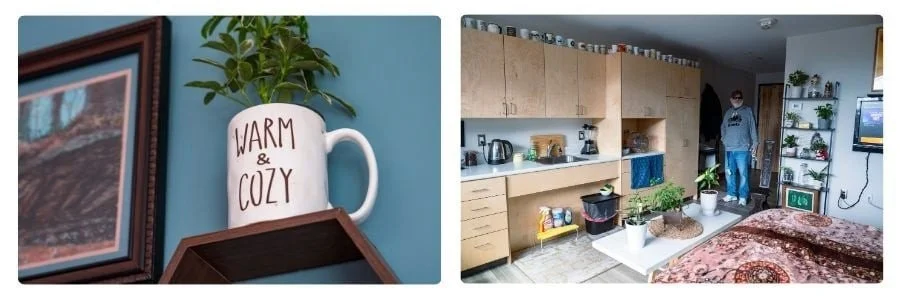
With a place of his own and support around him, he is looking forward to the future.
“It gives you stability for one thing. It gives you hope. The shelter is not a place to stay for a long time, but this place gives you safety and stability and comfort for the long term.”
A community of support
That sense of community extends beyond residents’ front doors.
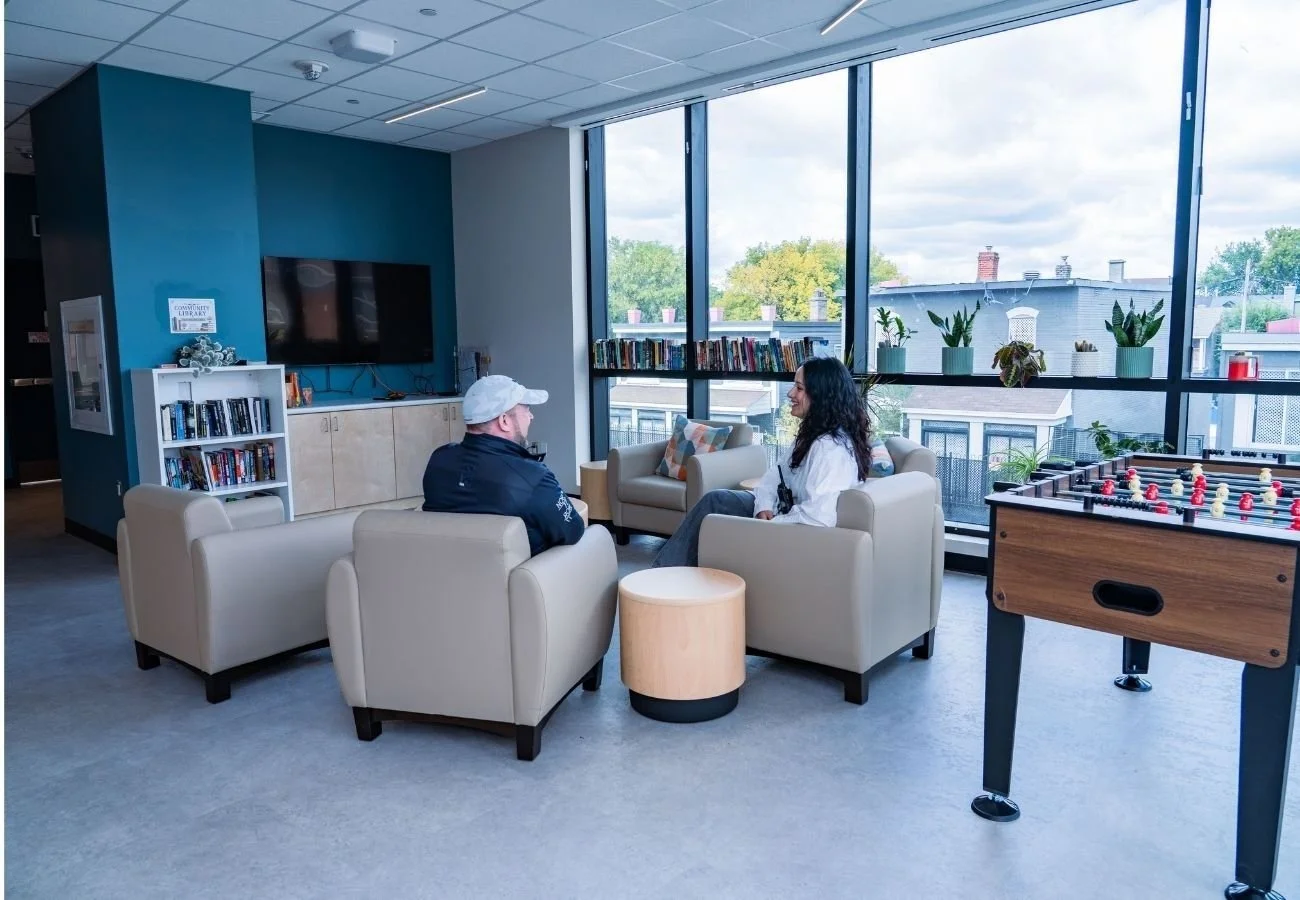
Near the facility’s entrance, books and plants surround a common seating area where people can read or share coffee with a friend. The aroma of a home-cooked meal fills the air on the way to the dining area and kitchen.
There, Larry is helping prepare a meal. He volunteers five days a week, and staff describe him as an honorary team lead who takes new volunteers under his wing.
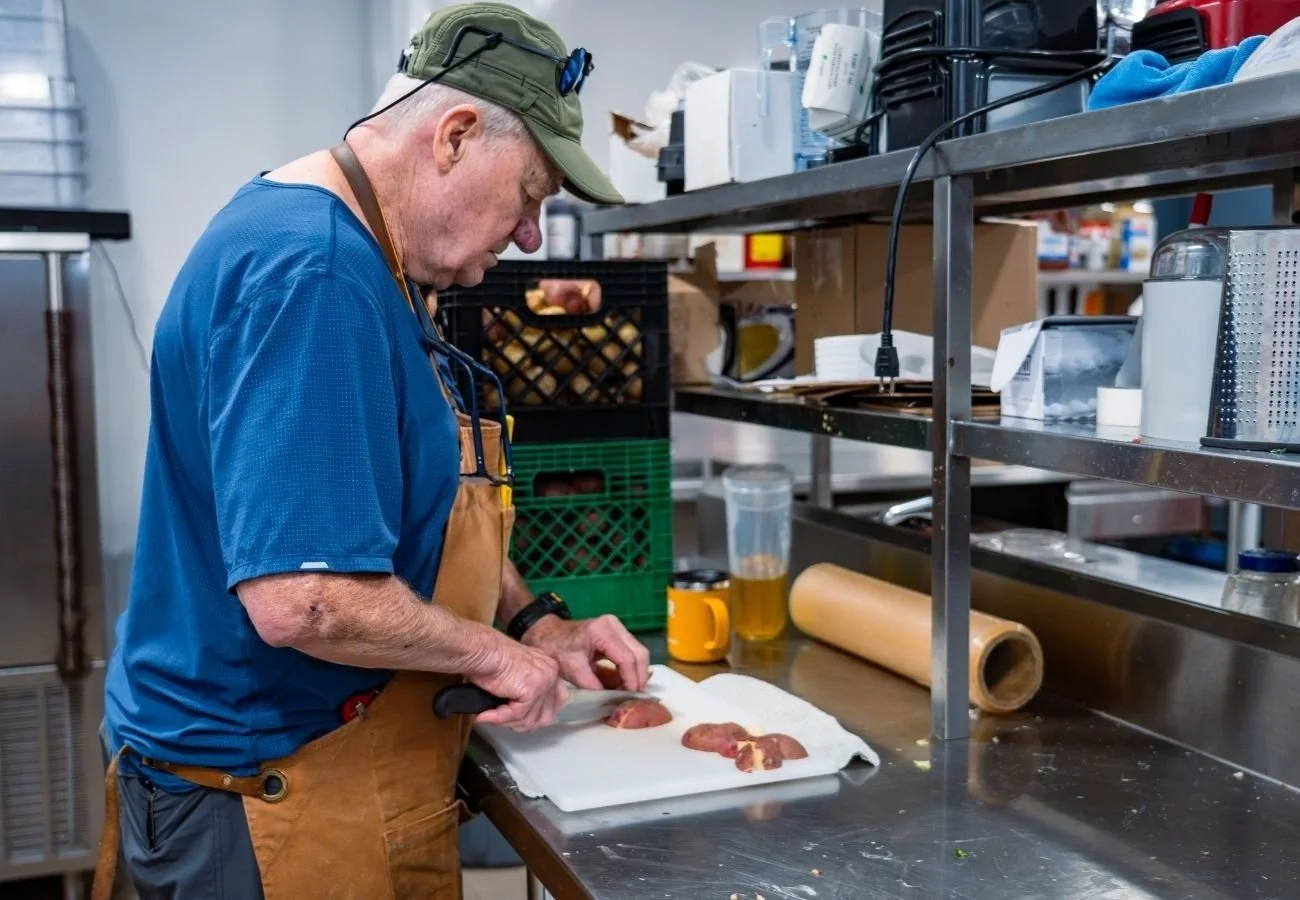
After explaining the best way to cut an onion, he talks about what he learns from the people working alongside him.
“Everybody brings a different skill set and a different personality,” Larry says. “I get a chance to learn from them, and I get a chance to share what I know.”
Larry is proud of the meals he helps prepare. Head Chef Peter shares that pride, along with a belief that fresh, high-quality food can help people make a fresh start.
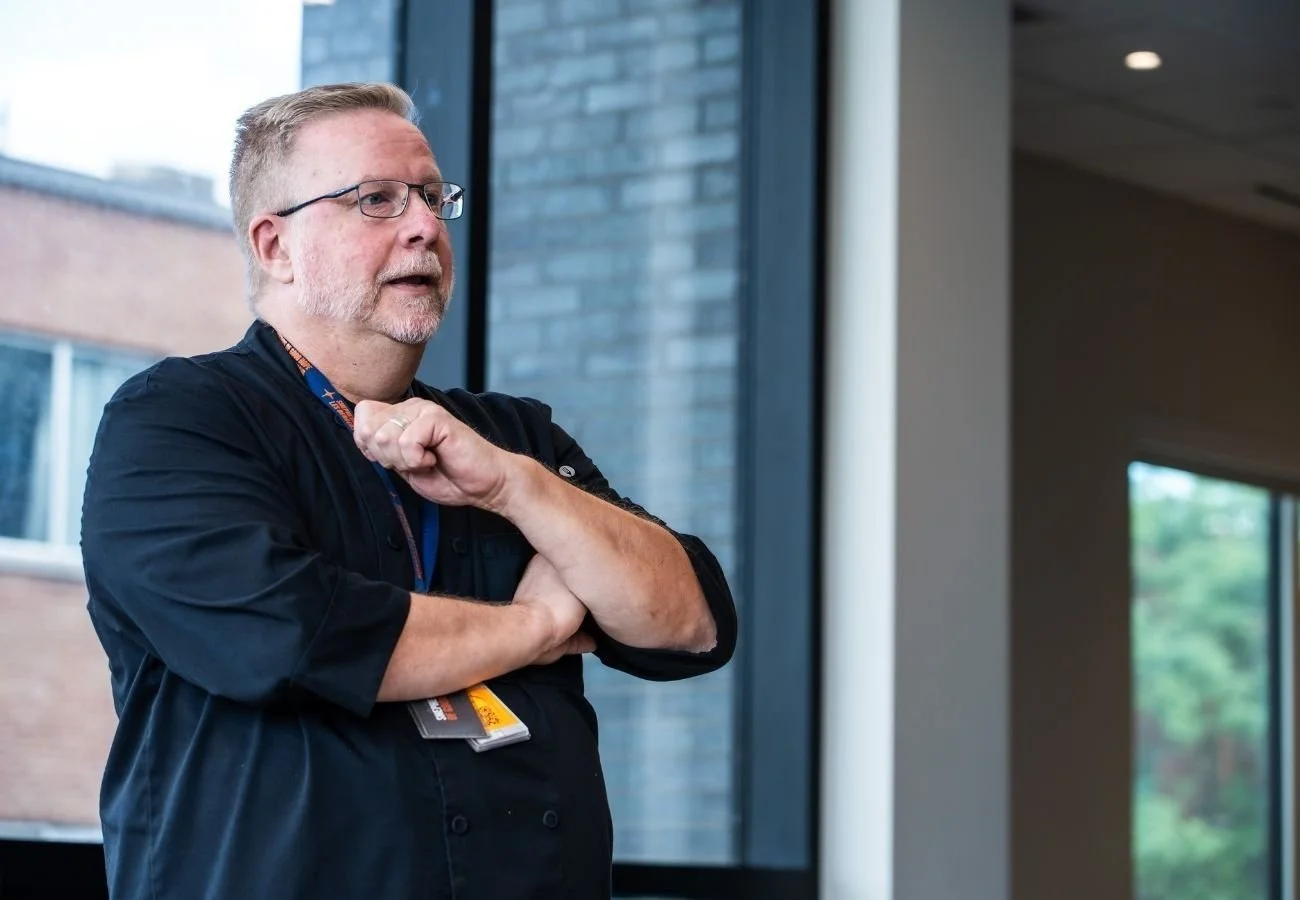
His kitchen produces upwards of 1,600 meals per day for residents at the Richcraft Hope Centre, the community drop-in program downstairs and three other supportive housing locations operated by Shepherds of Good Hope across Ottawa.
Donations from hotels and other local providers help reduce costs and food waste. A small staff and a team of volunteers turn those ingredients into meals – and sometimes something more personal.
Peter beams as he recalls a resident breaking into tears after the kitchen team baked him his first-ever birthday cake.
For volunteer Mary, those connections are part of what keeps her coming back.
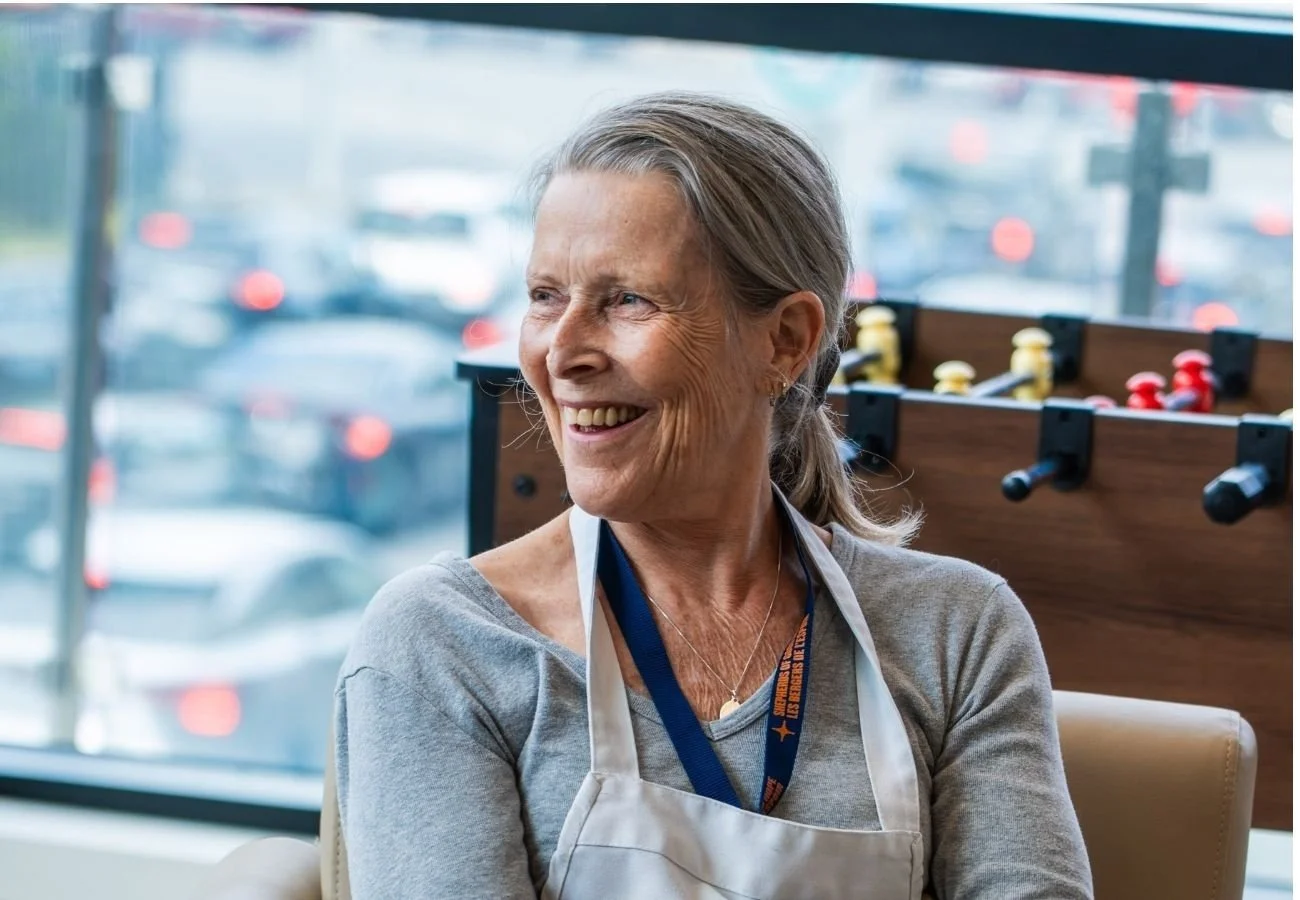
After retiring from a career as a facilitator and conflict mediator, Mary wanted to work with people facing challenges she understood. Having experienced domestic violence and addiction herself, she knows the difference community support can make.
“I knew I had to give back to the community,” Mary reflects. “I wouldn’t be where I am today if the community wasn’t there to support me when I needed support.”
She also wants people to look beyond assumptions about those who live here.
“It could be your daughter. It could be your son. It could be your brother, your sister. They’re people, and you need to treat them with dignity and respect.”
A future with hope
Andre knows what that support has meant in his own life, and he wants younger people entering the shelter system to have the same opportunity. He calls supportive housing a “godsend” for helping people get the support they need to turn their lives around.
For Jen, that opportunity starts with a place she has made her own, growing tomatoes, sweet potatoes, and herbs in her unit. A radish she planted has grown taller than she is, with purple flowers.
Having a home and support has also given her room to focus on what comes next, including plans to start her own business.
Asked whether she has hope for the future, her answer is clear: “Oh absolutely. And this place has supported me 100 per cent.”